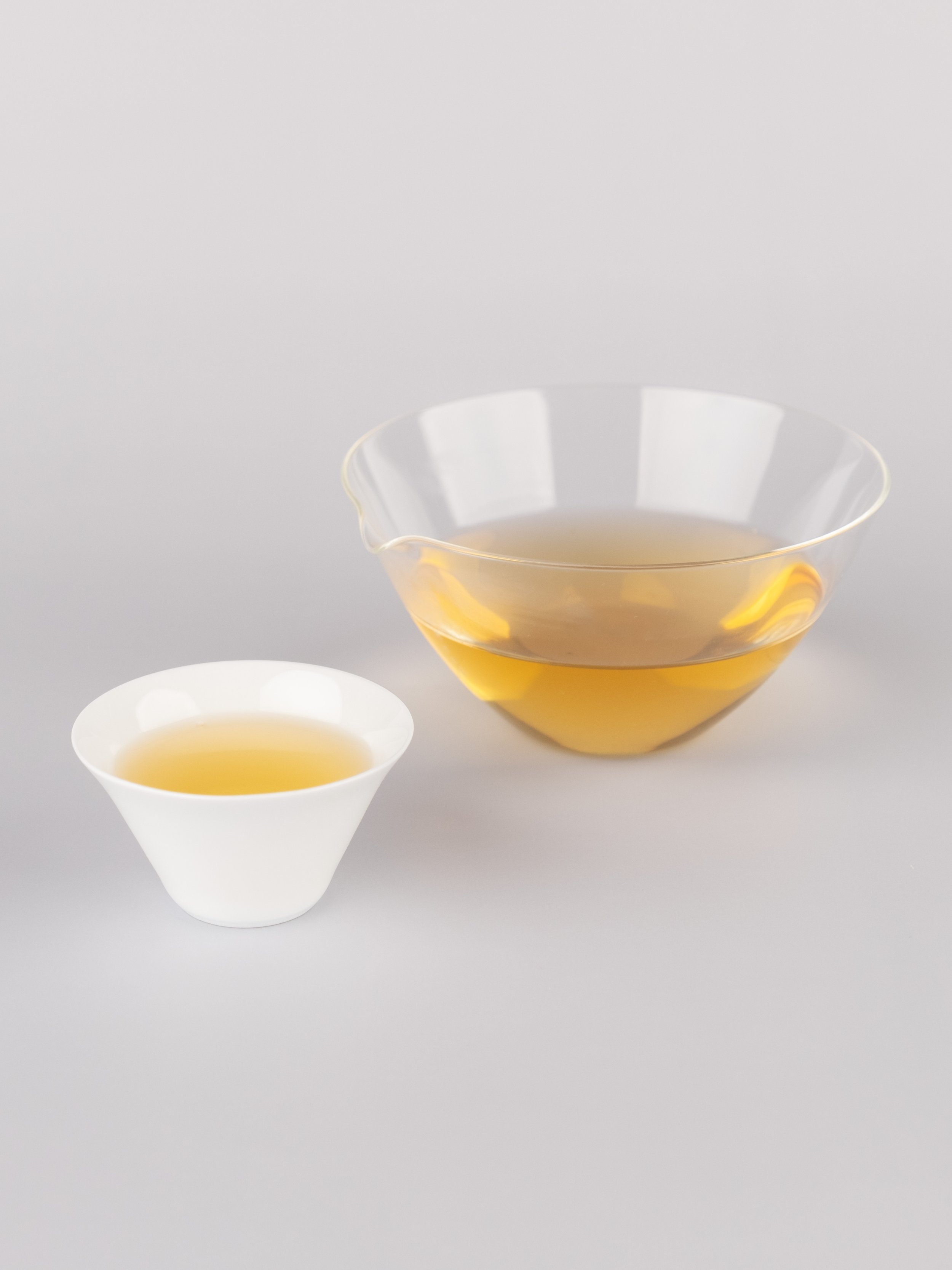
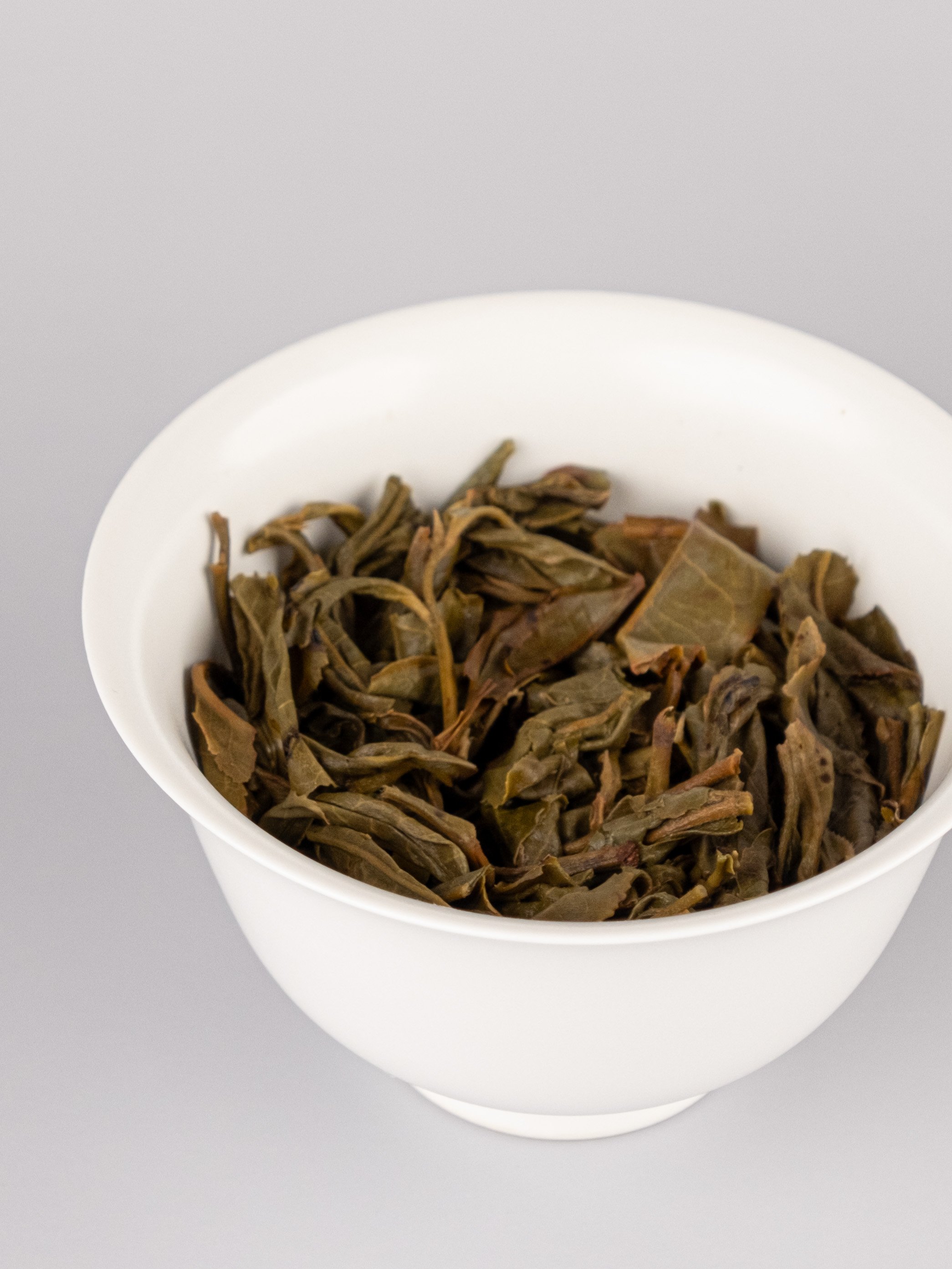
 Image 1 of 3
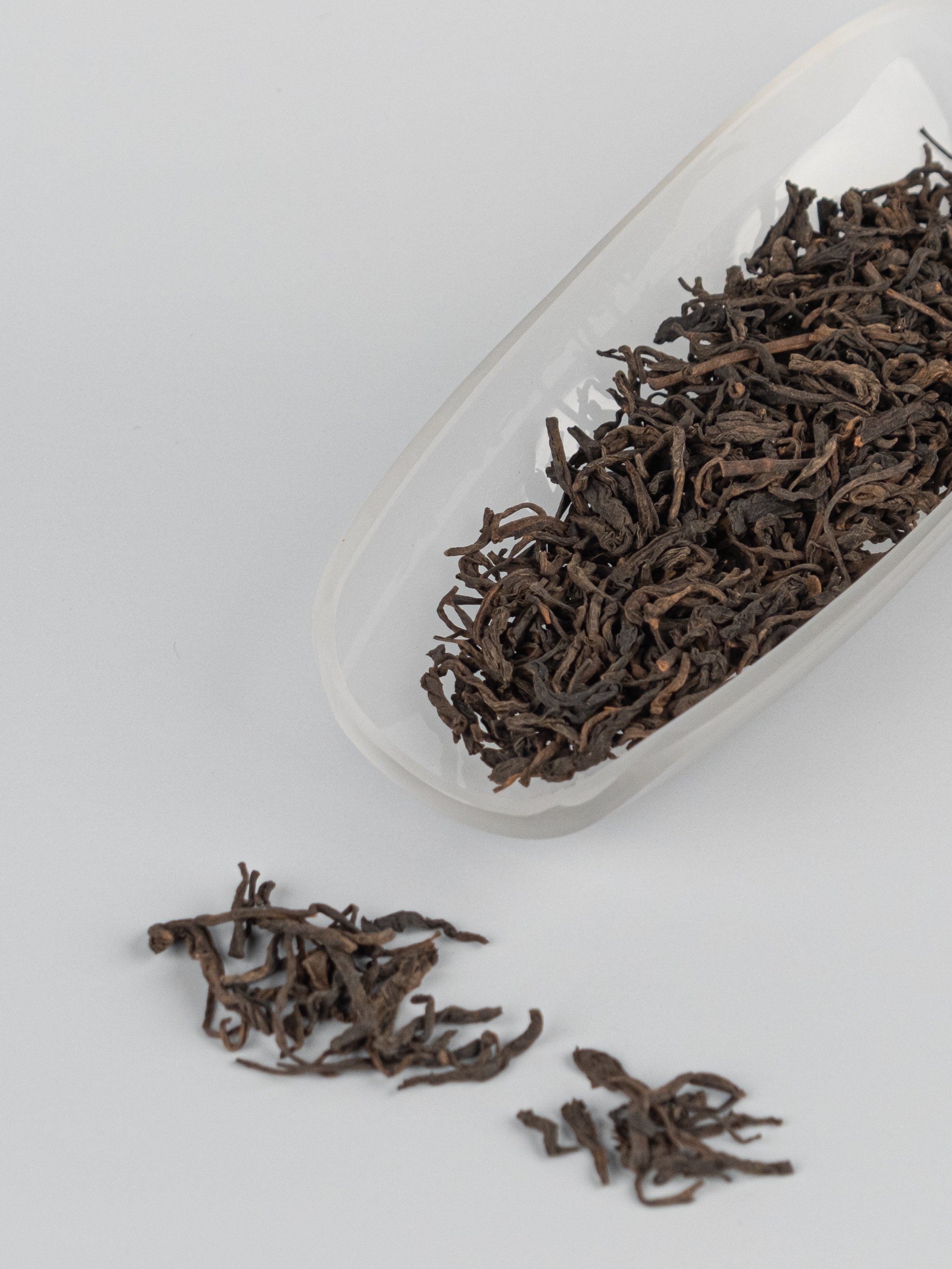
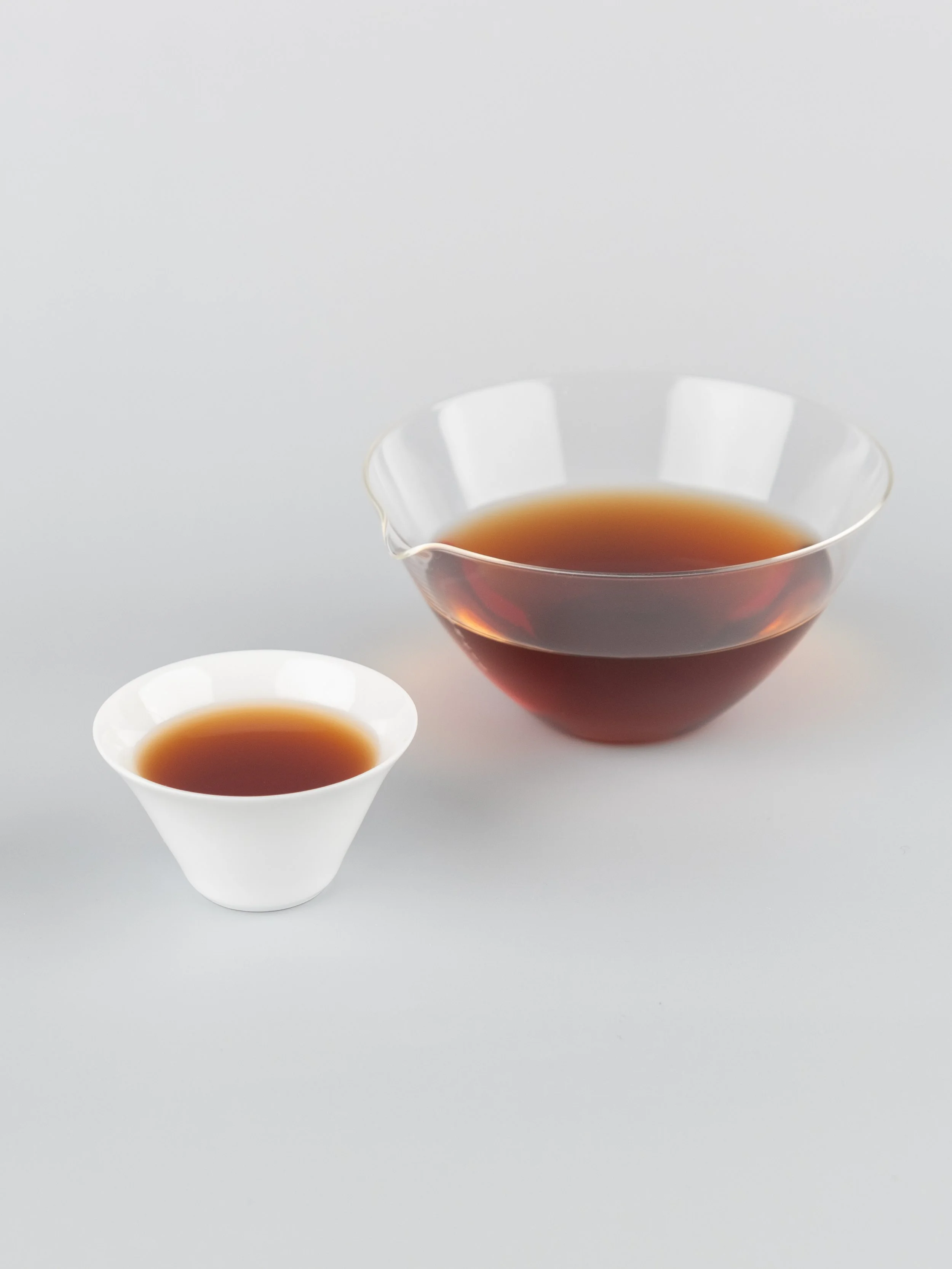 Image 2 of 3
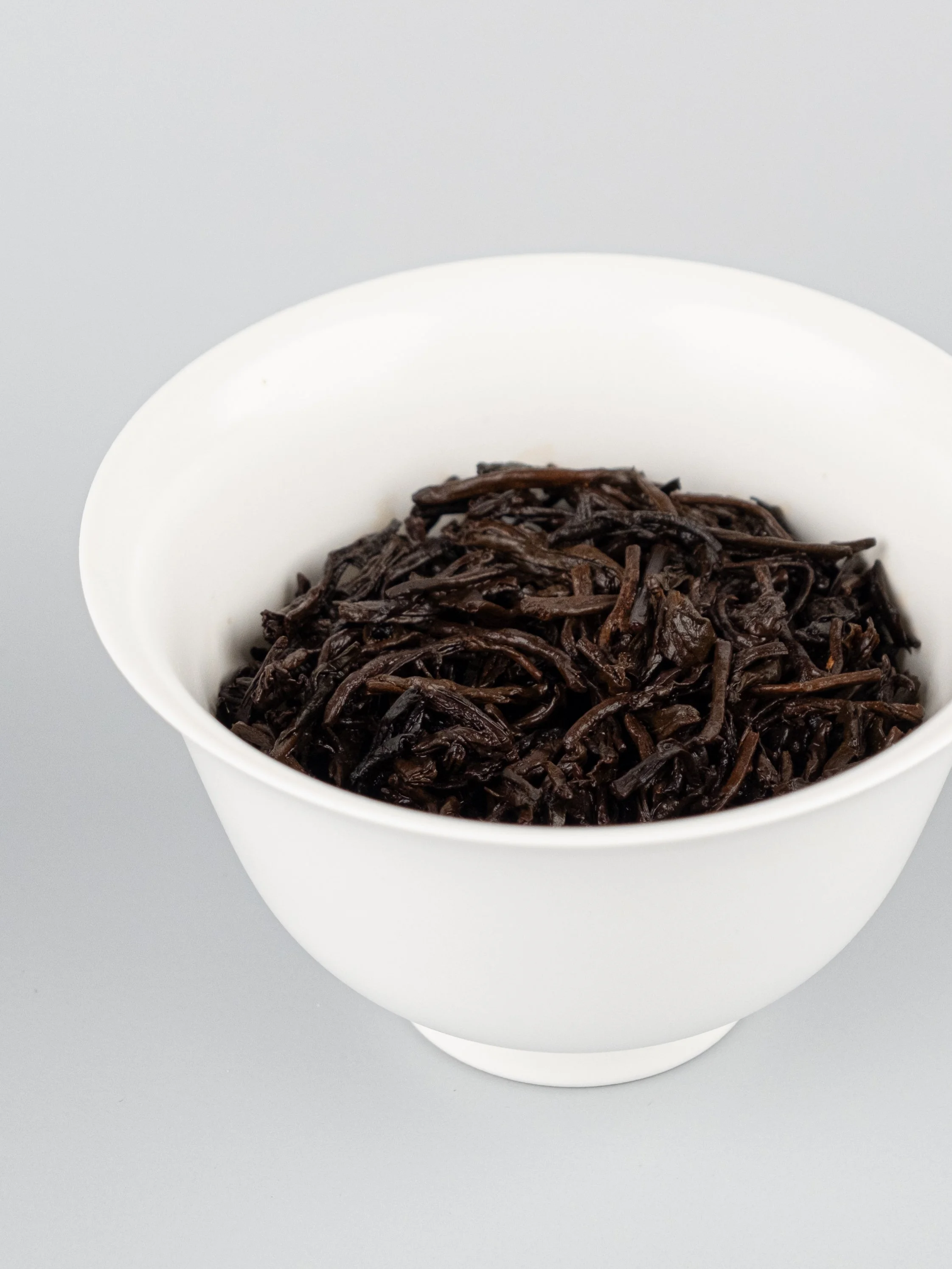 Image 3 of 3
Essential Info
Chinese Name: 新工艺六堡
Cultivar: Cangwu Quntizhong (local cultivar)
Region: Wuzhou City, Guangxi Province, China
Harvest Time: Spring, 2021
Aroma: Notes of wood and betel nut
Recommended Gongfu Brewing Method
For a 120 mL (4 fl oz) teapot or gaiwan, use 6 g (0.21 oz) of tea.
For the first infusion, steep the tea for 18 seconds in water at a temperature above 95°C (203°F).
Steep the tea for 12 seconds for the second and third infusion.
For each subsequent infusion, increase the steeping time.
This tea is good for 8 or more infusions.
After multiple infusions, it can also be boiled to unleash its jujube aroma.
Use spring water or purified water. Do not use tap water.
-
Liubao tea originates from Liubao Town in Wuzhou, Guangxi, and belongs to the category of Chinese dark teas. Today, Liubao tea is generally produced in two styles: traditional-process Liubao and modern-process Liubao. While both share the same origin, they differ significantly in processing methods and in how their flavors develop over time.
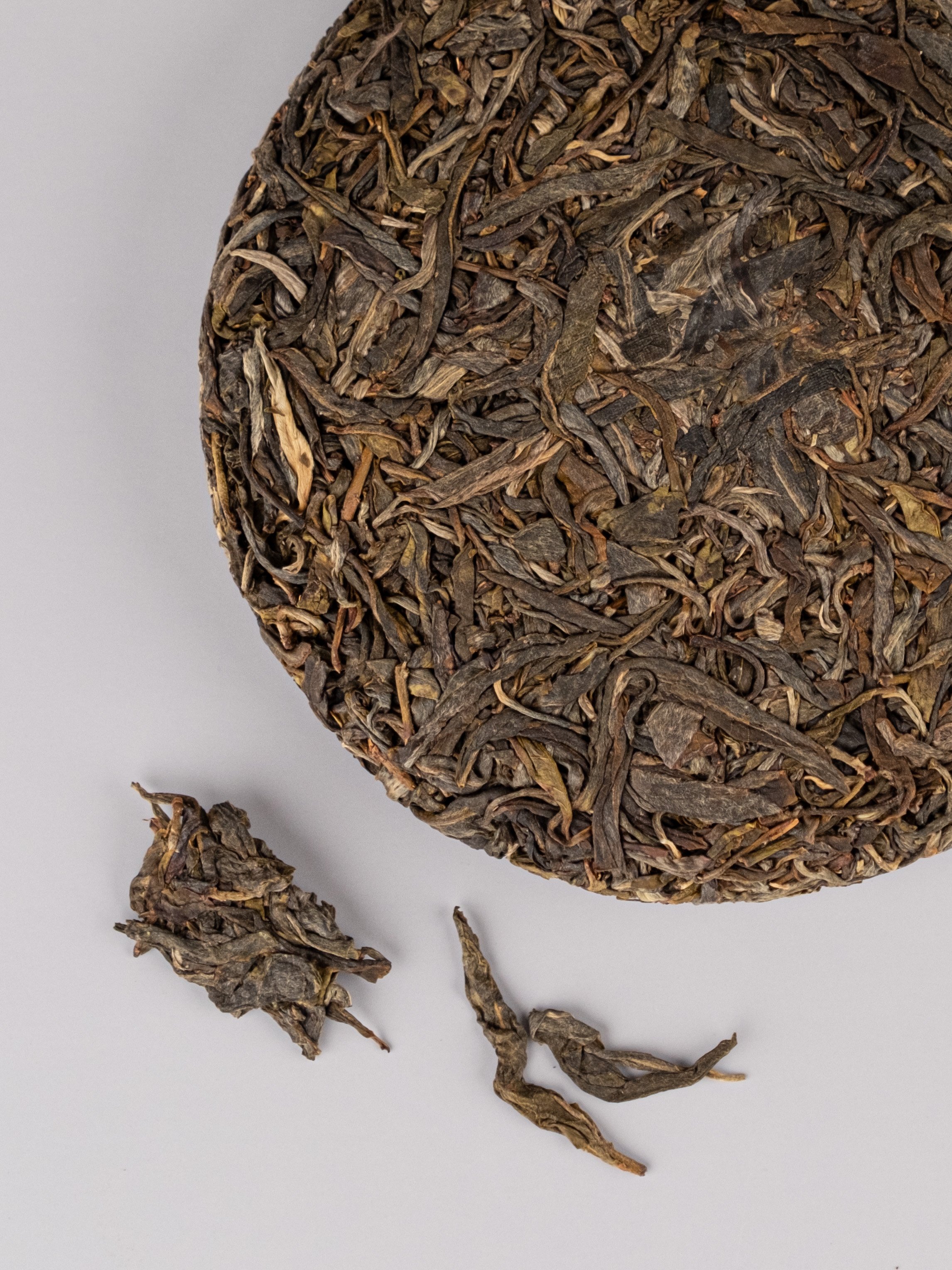
Traditional-process Liubao is made through repeated pan-firing and rolling, followed by a period of controlled piling transformation (men dui) and drying. Unlike modern pile-fermented teas, this transformation is moderate and helps preserve the tea’s aging potential. When young, the liquor is typically bright yellow and expressive, often showing honeyed floral aromas, fresh sweetness, and layered complexity. With long-term storage, traditional Liubao continues to evolve, developing deeper notes of aged wood, medicinal herbs, and betel nut, reflecting its strong capacity for natural aging.
Modern-process Liubao follows the same initial steps as traditional Liubao but adds an additional stage of intensive controlled pile fermentation (wo dui). This extended fermentation results in a darker liquor, a softer texture, and a more immediately mellow profile. These teas commonly display earthy, aged, and betel nut notes, and are crafted to be gentle and approachable at a younger stage, while continuing to develop with further aging.
In some ways, the distinction between traditional-process and modern-process Liubao is similar to that between raw (sheng) and ripe (shou) Pu’er—reflecting different approaches to fermentation and aging—though the two are not directly equivalent.
-
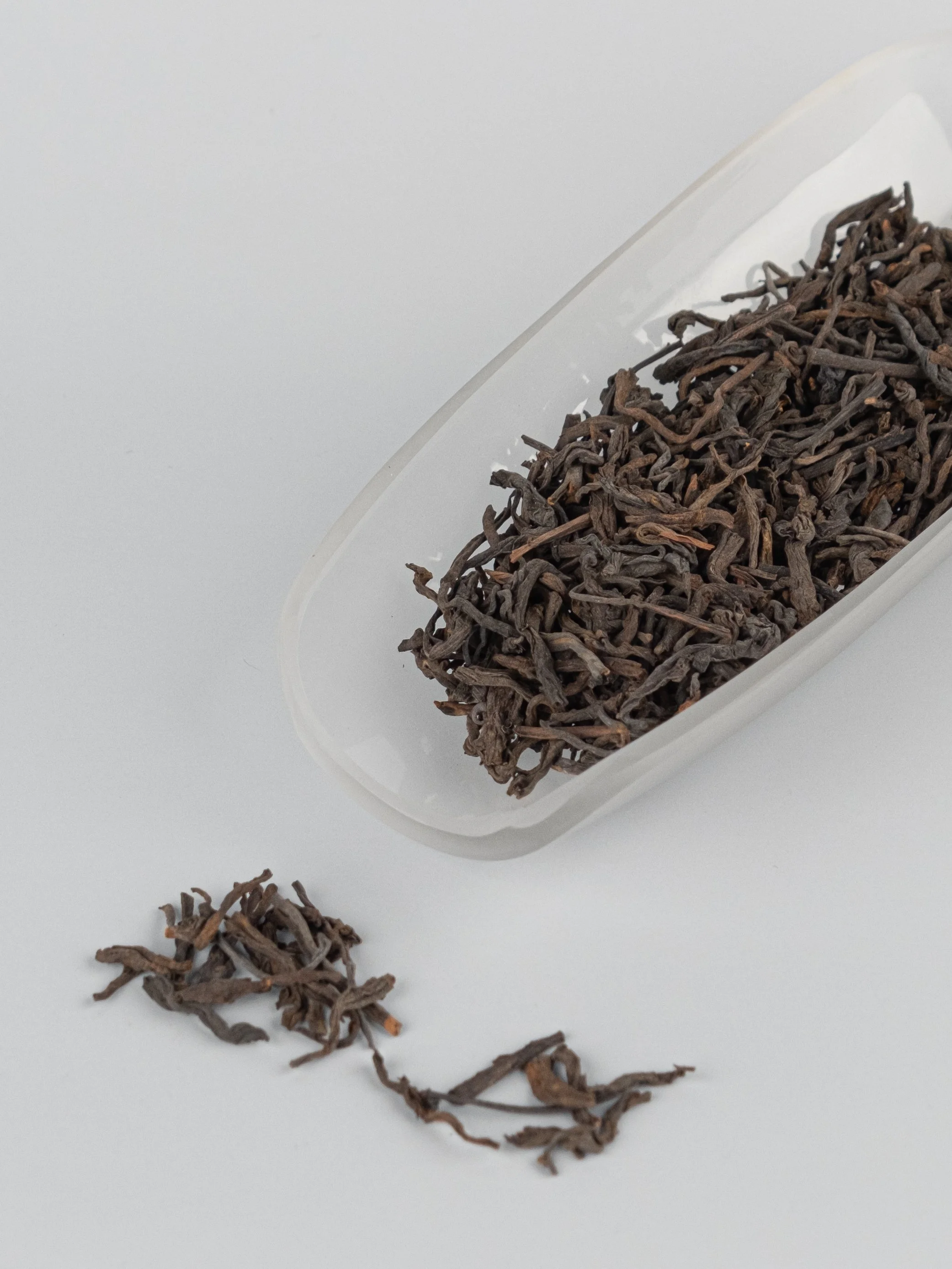
This tea is made from carefully selected tender leaves and crafted through controlled modern processing and pile fermentation. After five years of dry storage aging, the flavors have softened and integrated, resulting in a richer body and a smooth, balanced expression of aroma and sweetness.
-
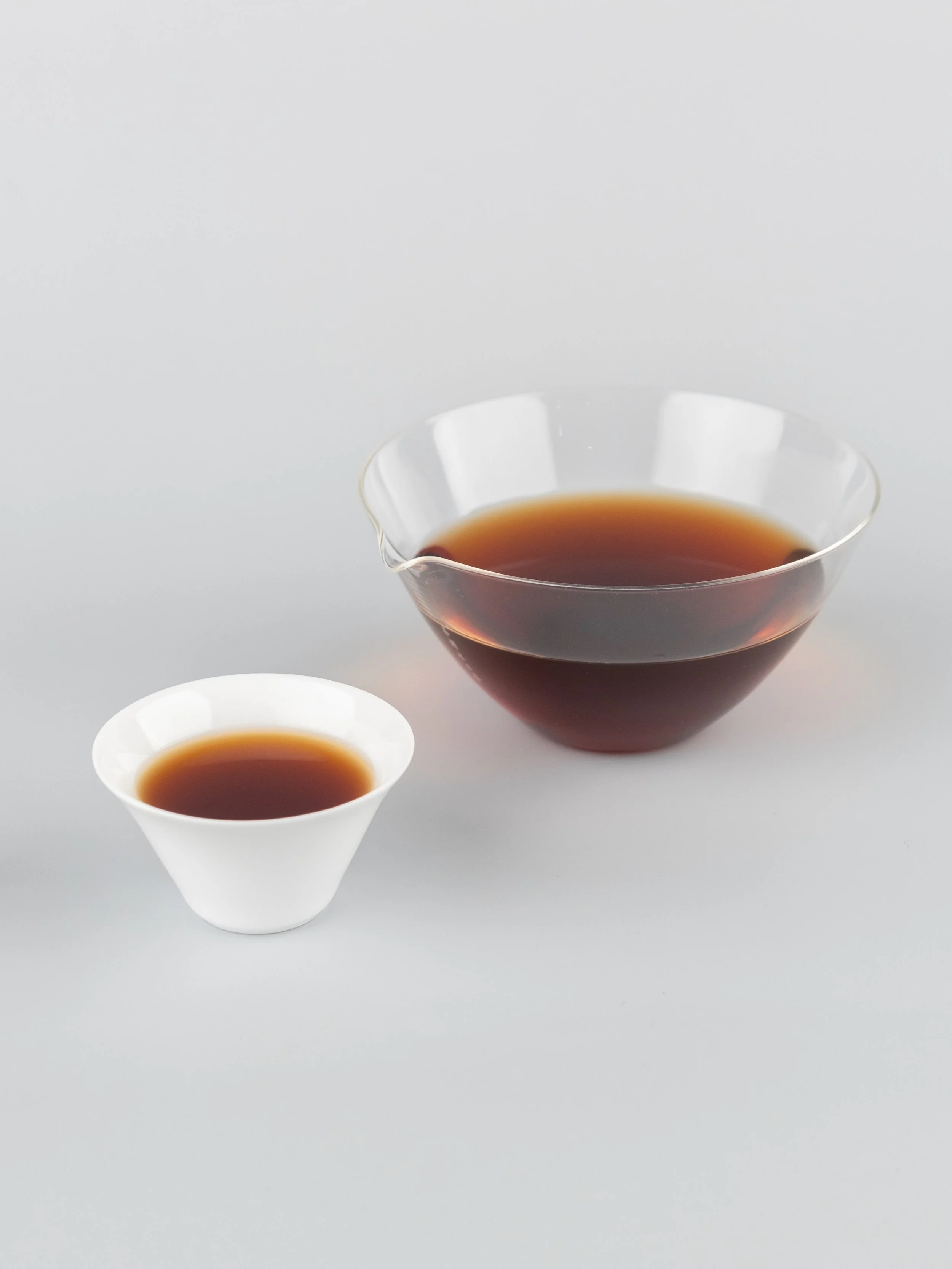
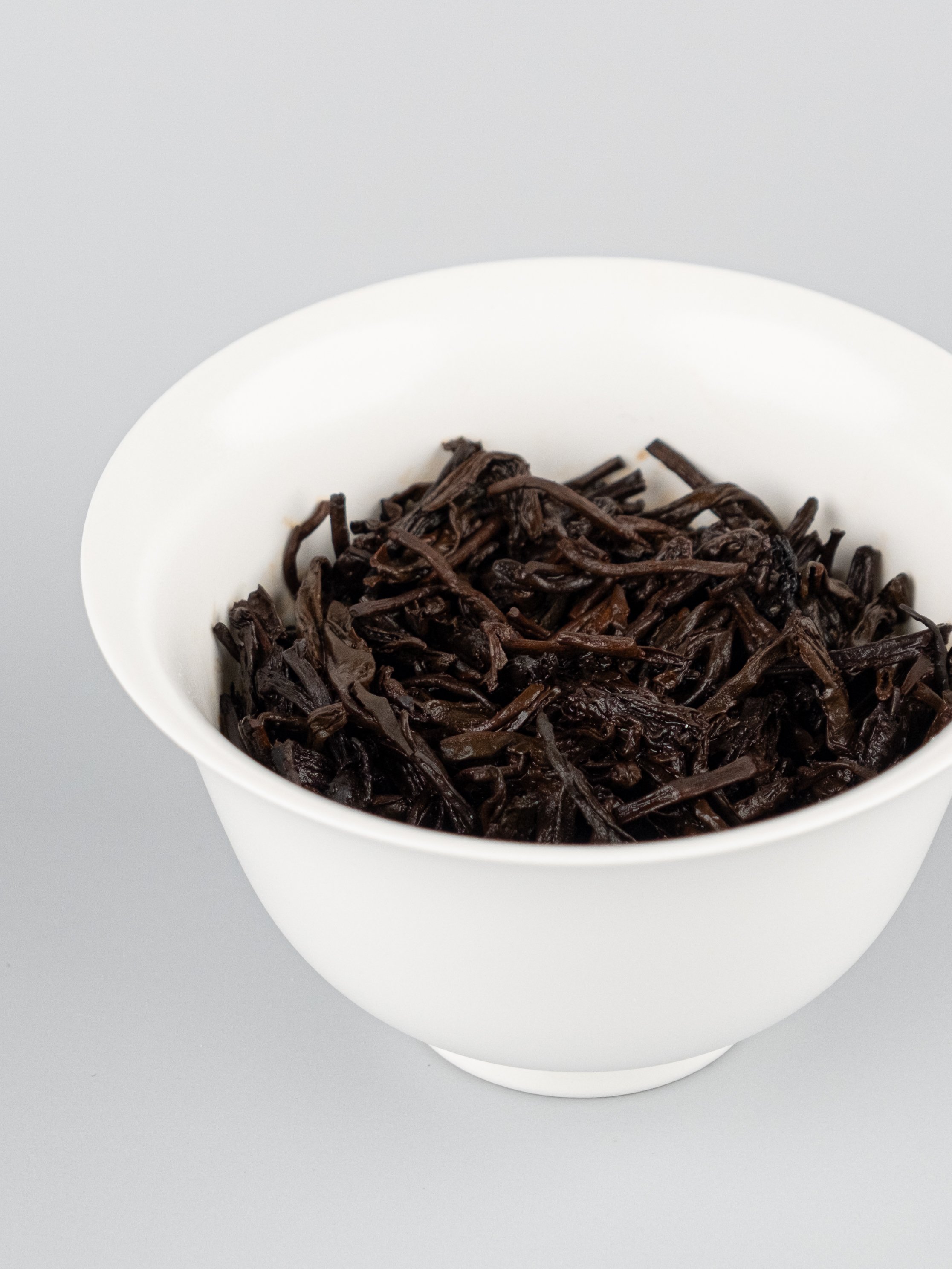
The dry leaves are fine and intact, unfolding into a bright, red-amber liquor. A characteristic betel nut aroma rises first, layered with gentle woody notes. On the palate, the tea is sweet and mellow, with a full, rounded body and a smooth, finely textured mouthfeel.