 Image 1 of 3
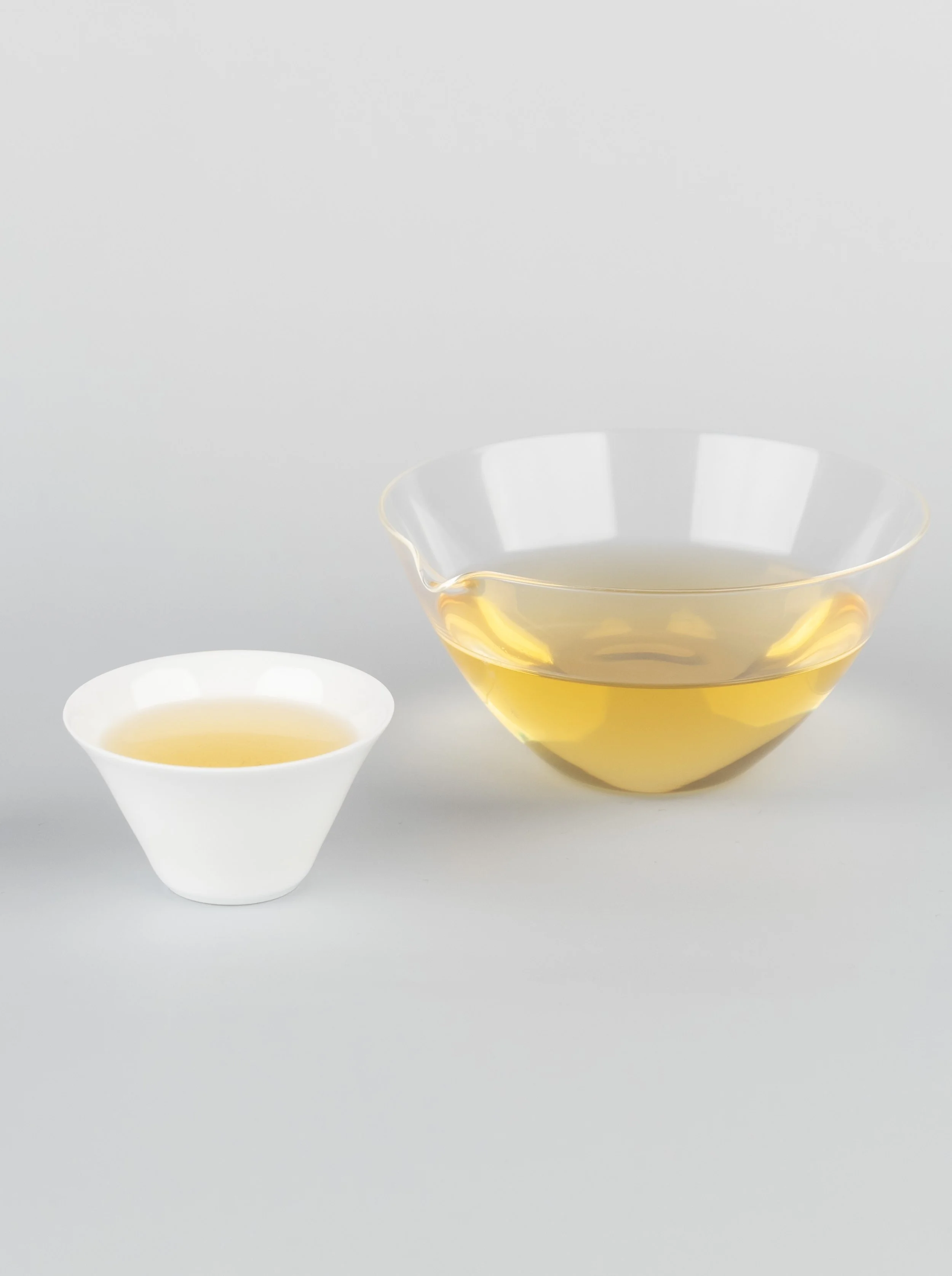 Image 2 of 3
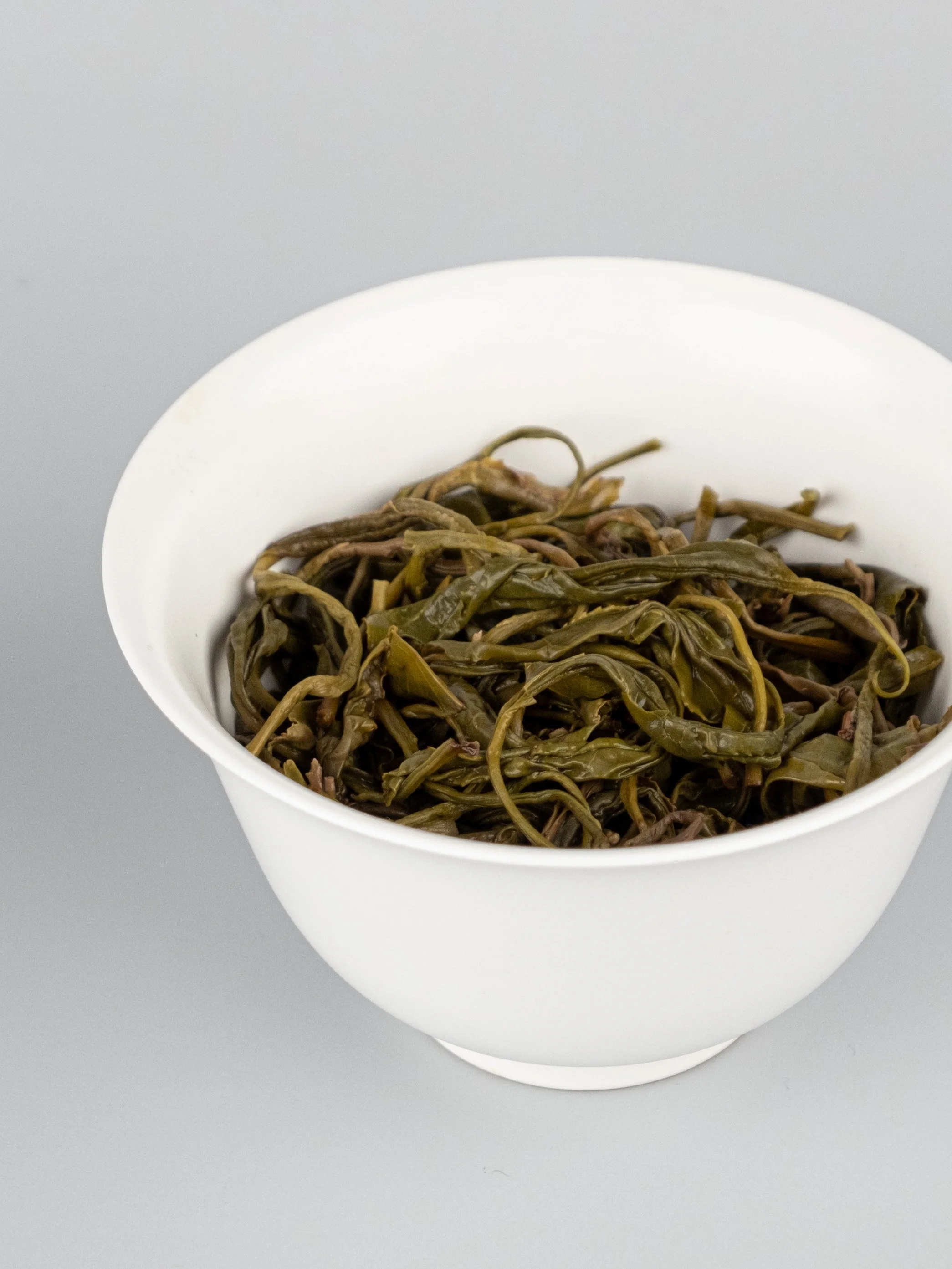 Image 3 of 3
Essential Info
Chinese Name: 莫干山黄大茶
Cultivar: Quntizhong
Region: Gaofeng Village, Moganshan Town, Zhejiang Province, China
Harvest Time: Spring 2026
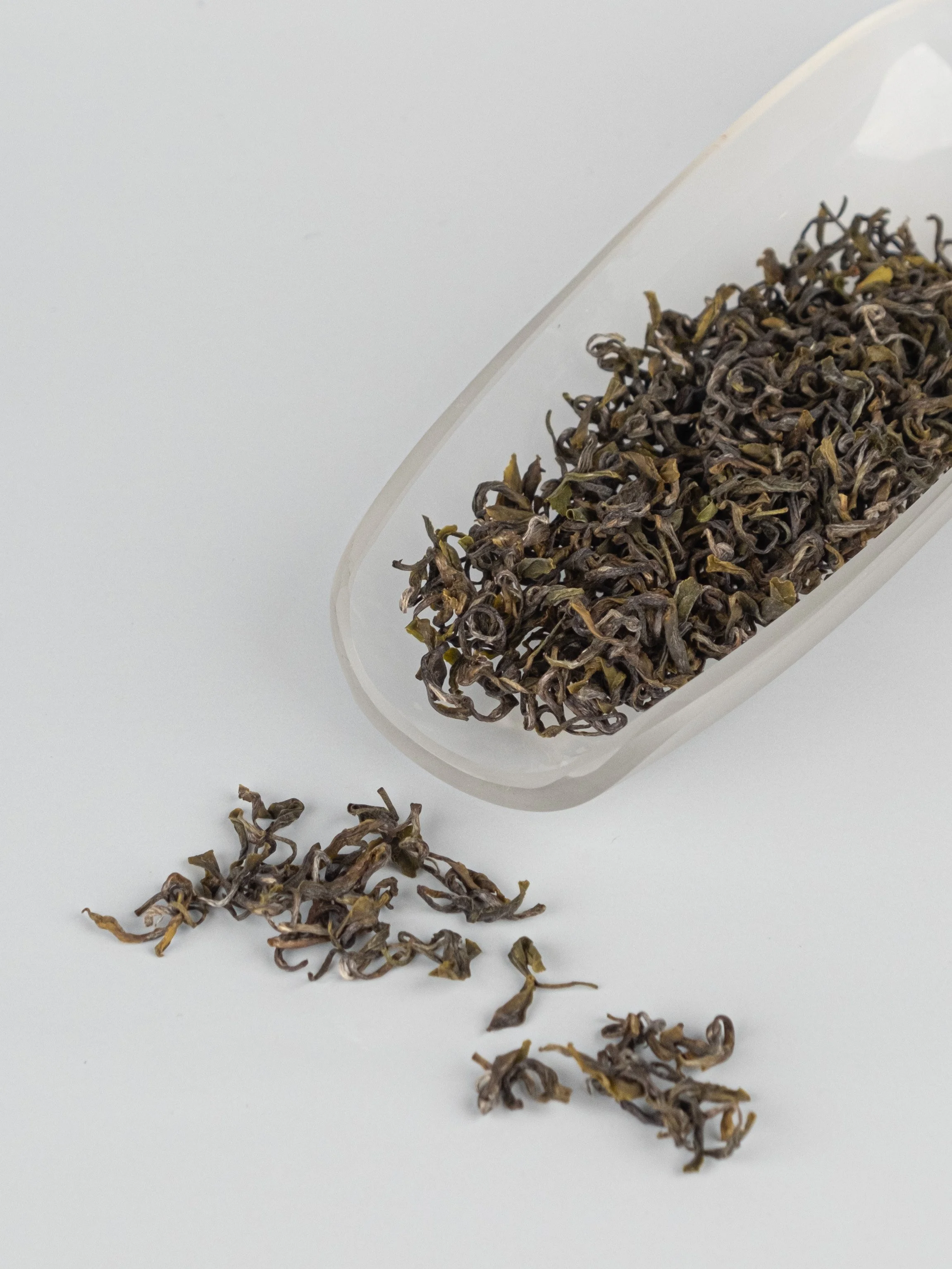
Aroma: Notes of seaweed, toasted grain, and saline
Recommended Gongfu Brewing Method
For a 120 mL (4 fl oz) teapot or gaiwan, use 5 g (0.18 oz) of tea.
For the first three infusions, steep the tea for 30, 25, and 35 seconds in water at a temperature of 98-100°C (208-212°F).
For each subsequent infusion, increase the steeping time.
This tea is good for 5 or more infusions.
Use spring water or purified water. Do not use tap water.
-
Yellow tea follows a process similar to green tea, with an additional sealed-yellowing step. Chinese yellow tea is commonly classified by the tenderness and size of the harvested leaves into Huang Ya Cha, or yellow bud tea; Huang Xiao Cha, or small-leaf yellow tea; and Huang Da Cha, or large-leaf yellow tea.
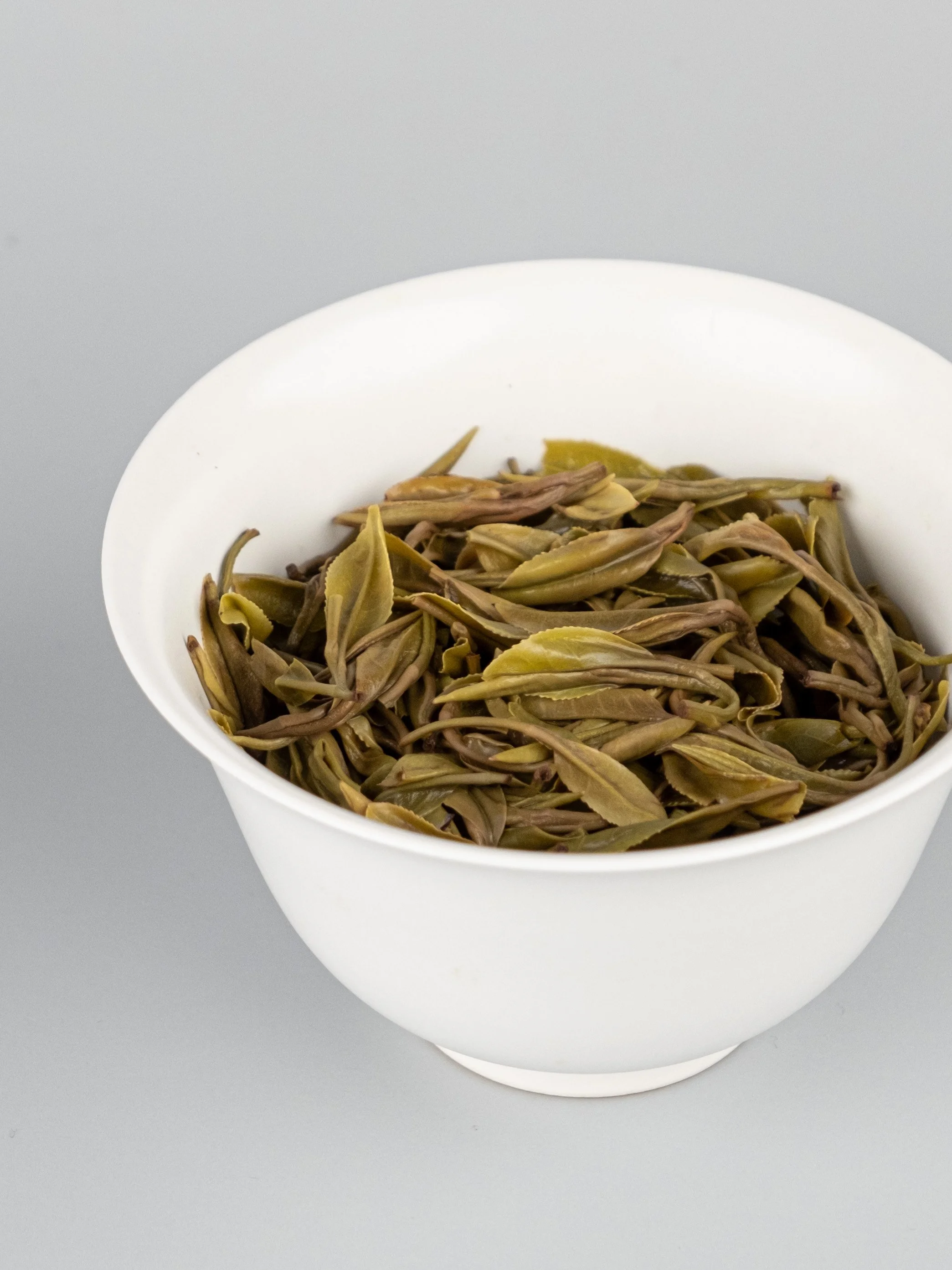
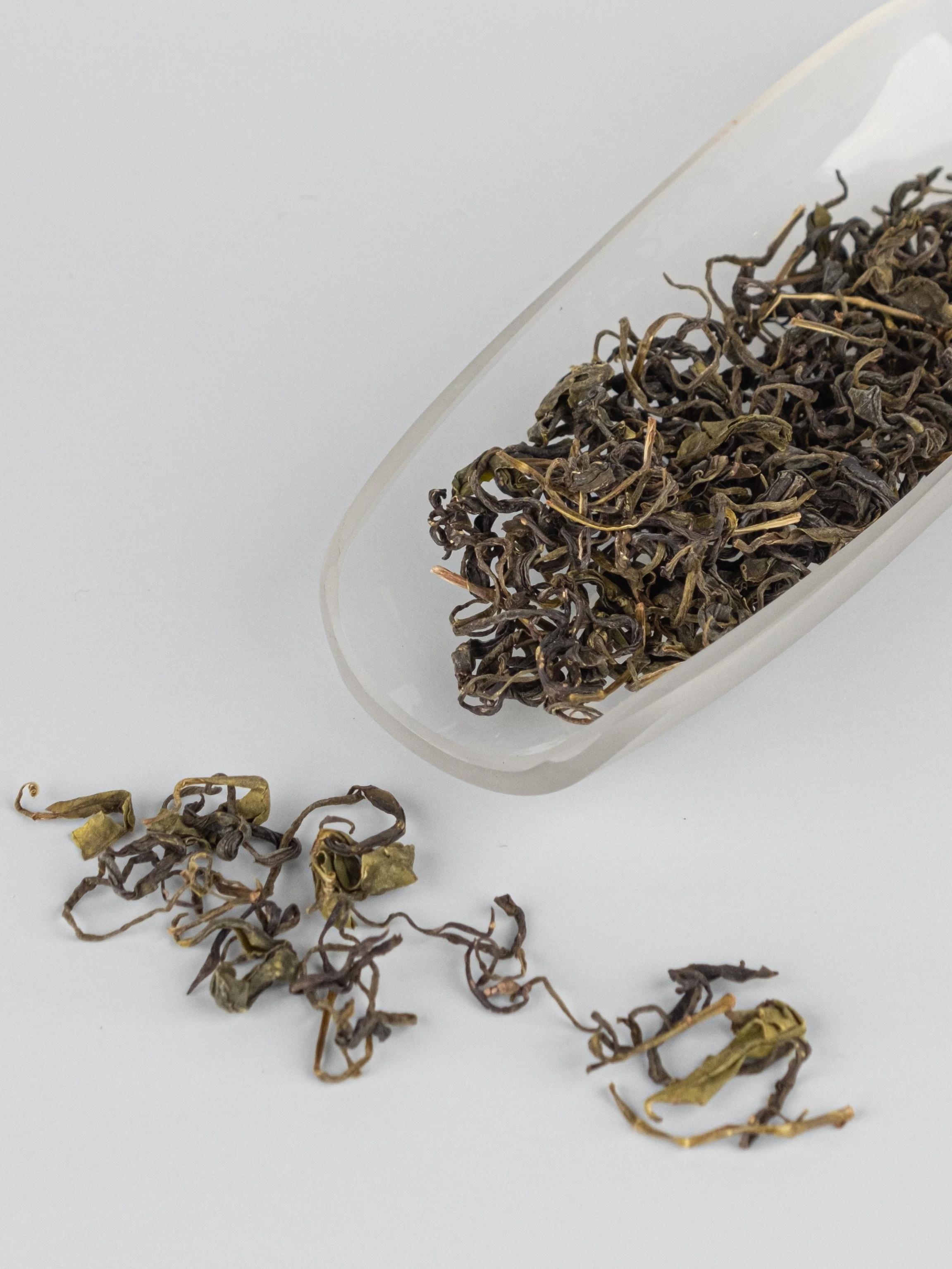
Huang Da Cha is made from larger, more mature leaf material than Huang Xiao Cha. Here, “large-leaf” refers to the picking standard rather than the tea plant variety. It presents a fuller, more grounded expression of yellow tea.
-
Yellow tea is produced in far smaller quantities than the other major categories of Chinese tea, and well-made examples are rarer still. This Moganshan Huang Da Cha shows a warmer, more grounded side of the category. Its dry-sealed yellowing brings together savory depth, gentle sweetness, and a smooth texture without harshness. With very little bitterness or astringency, it is an approachable tea to return to every day.
-
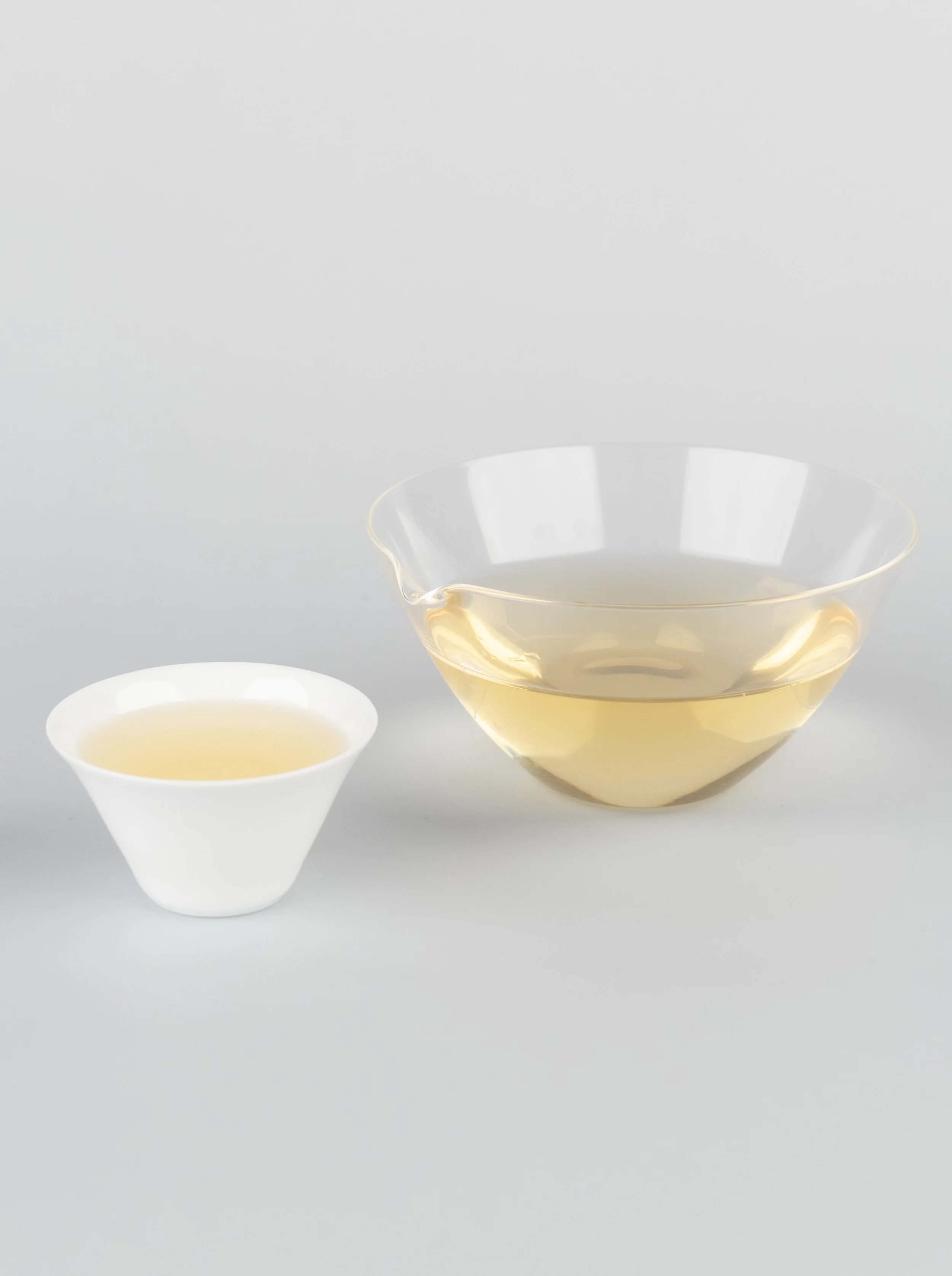
The aroma opens with a distinctive savory seaweed note, followed by warm grain and gentle sweetness. The liquor is mellow, smooth, and softly sweet, with very little bitterness or astringency. A light salinity complements its savory character and gives the tea quiet depth. The finish is rounded, clean, and comforting.