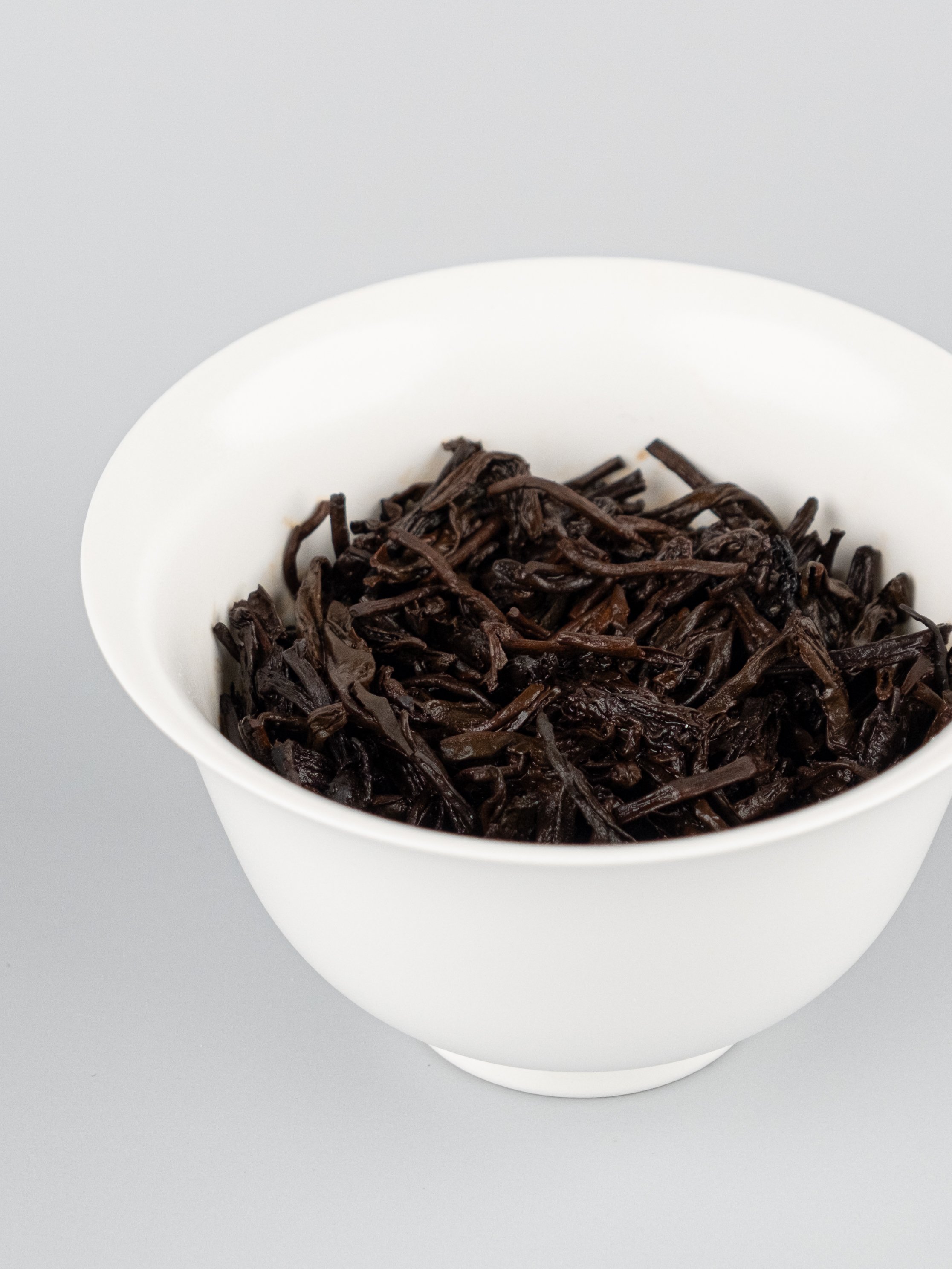
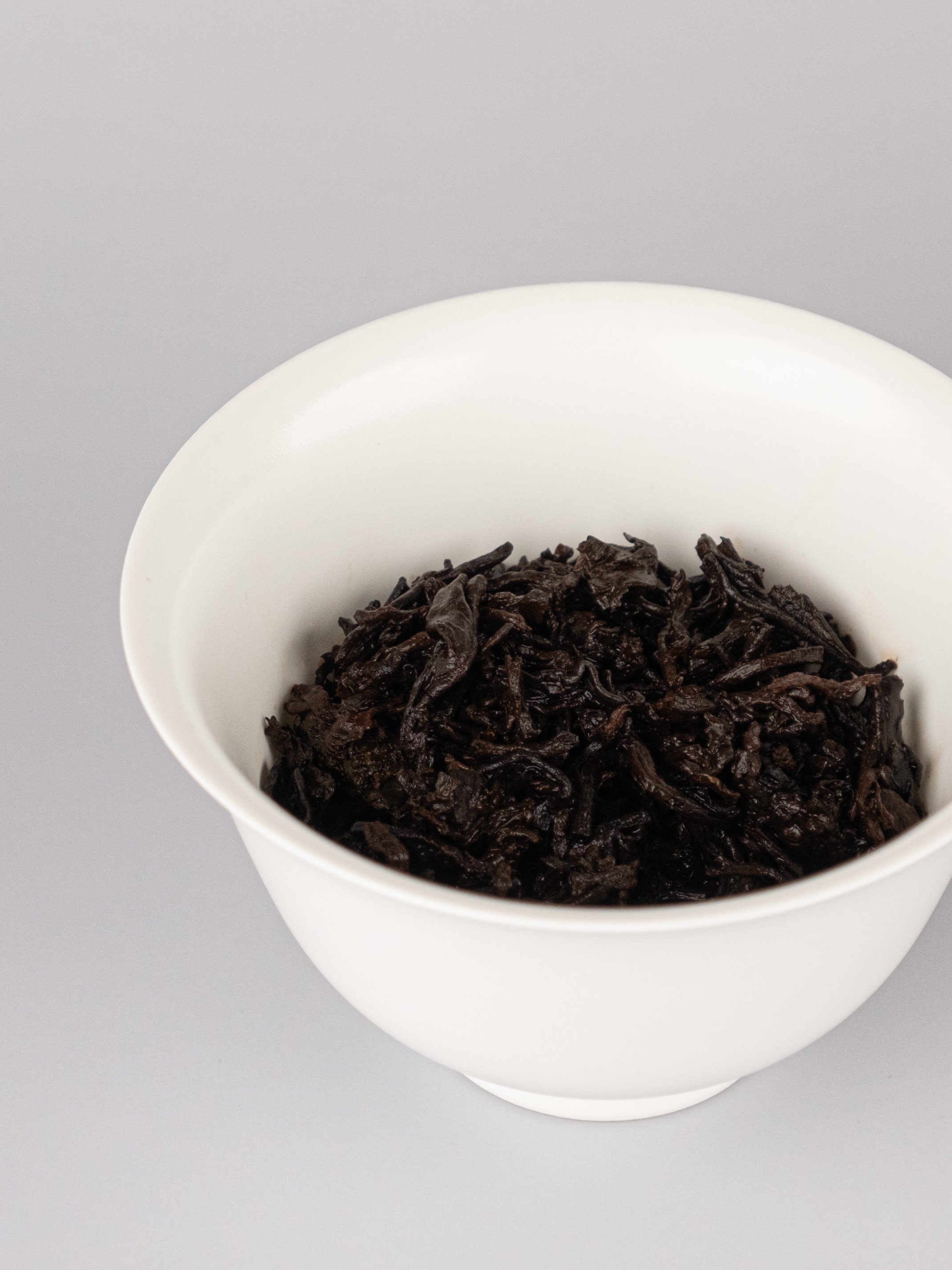
Image 1 of 3
 Image 2 of 3
 Image 3 of 3
Essential Info
Chinese Name: 古法六堡茶
Cultivar: Quntizhong
Region: Buyi Village, Liubao Town, Wuzhou City, Guangxi Province
Harvest Time: March 9, 2023
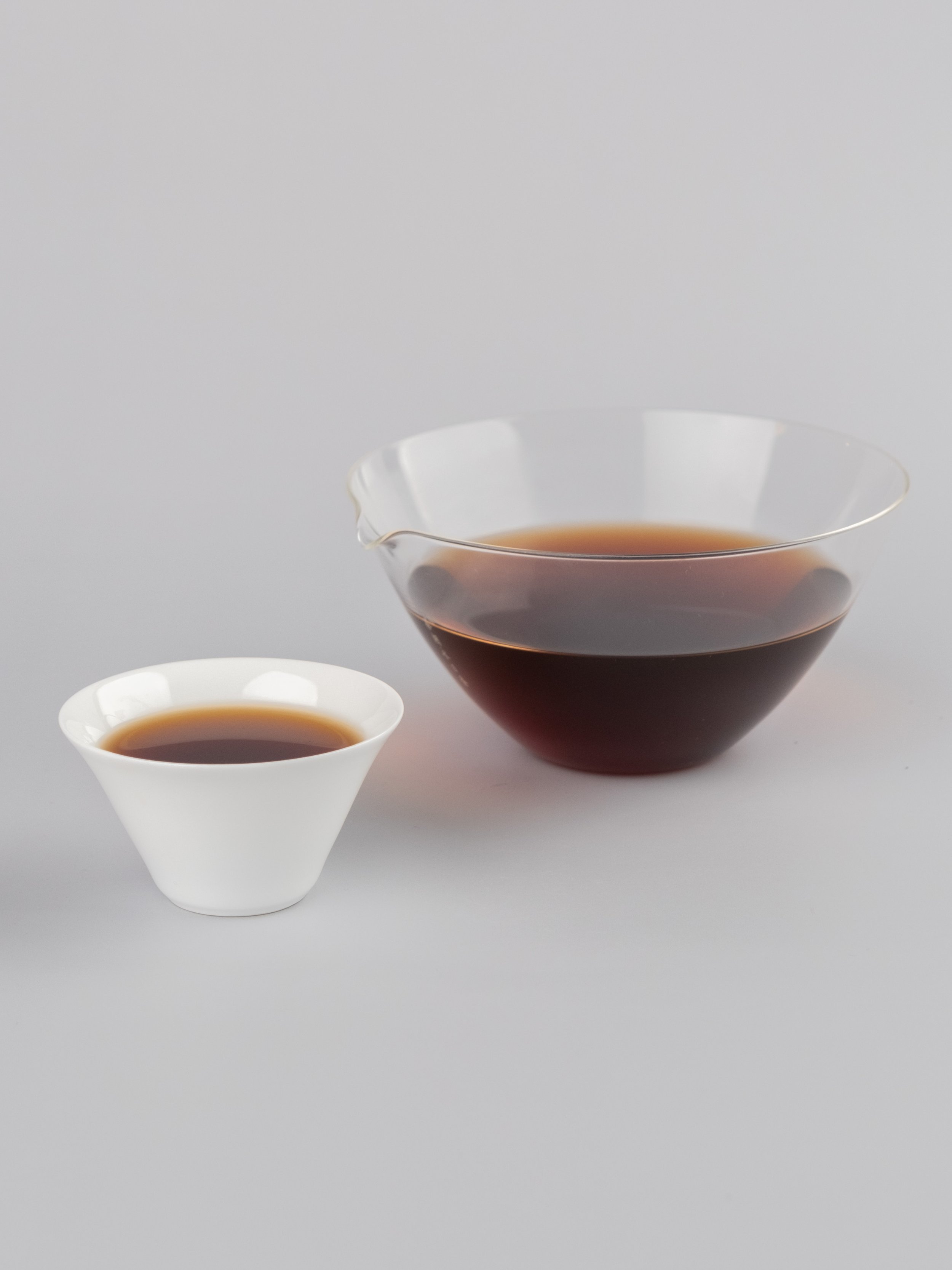
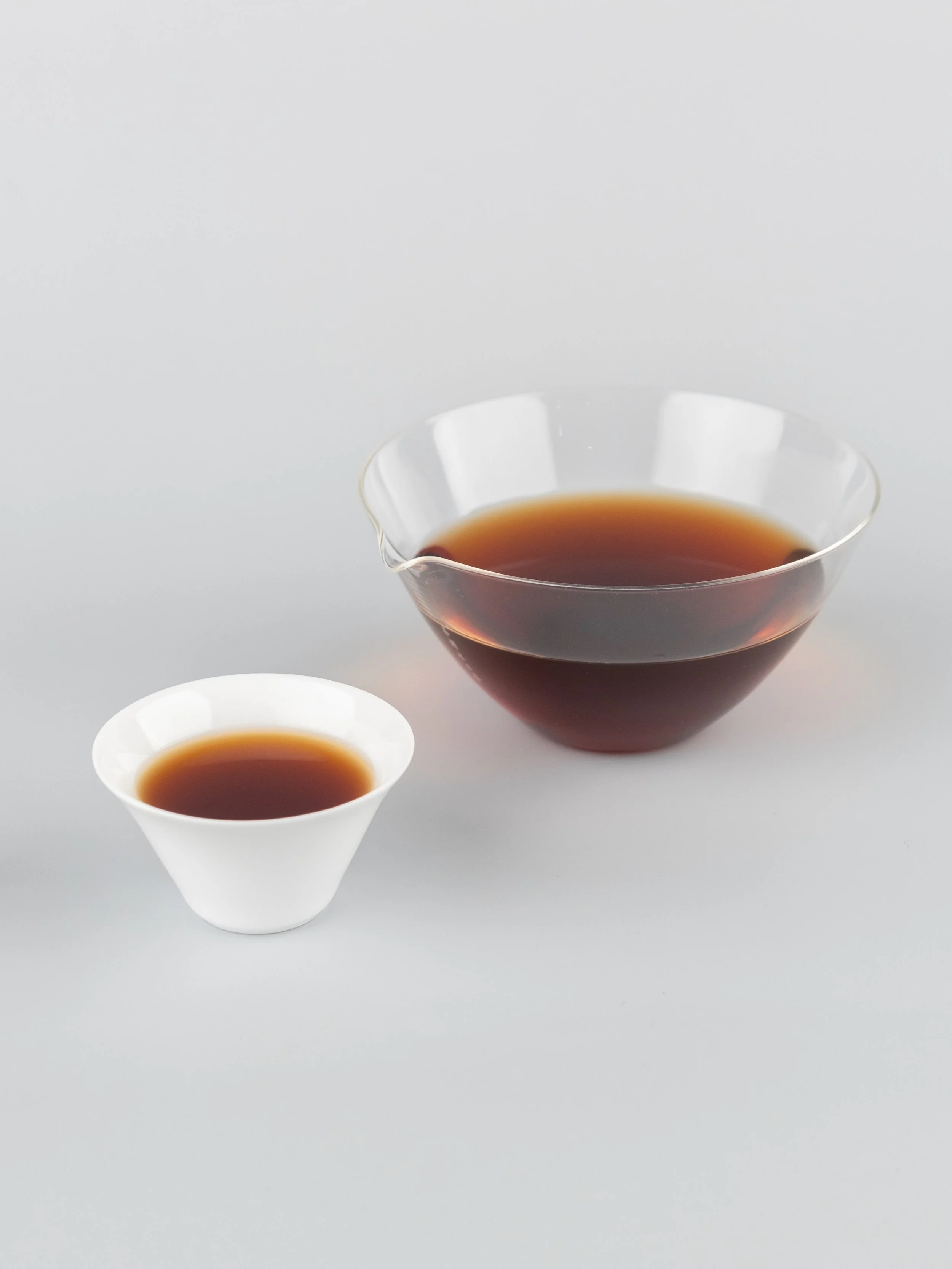
Aroma: Notes of nectar and prune
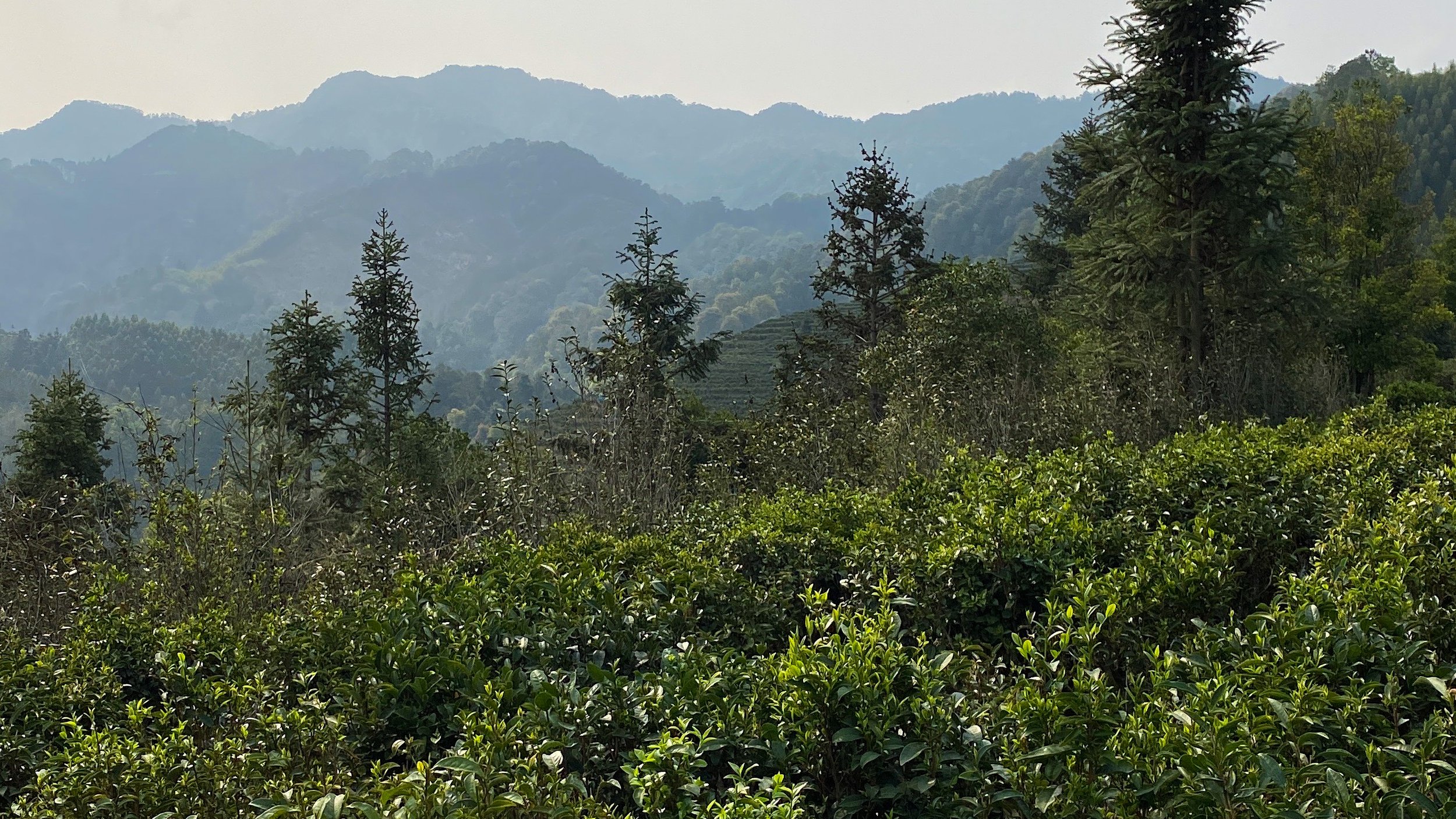
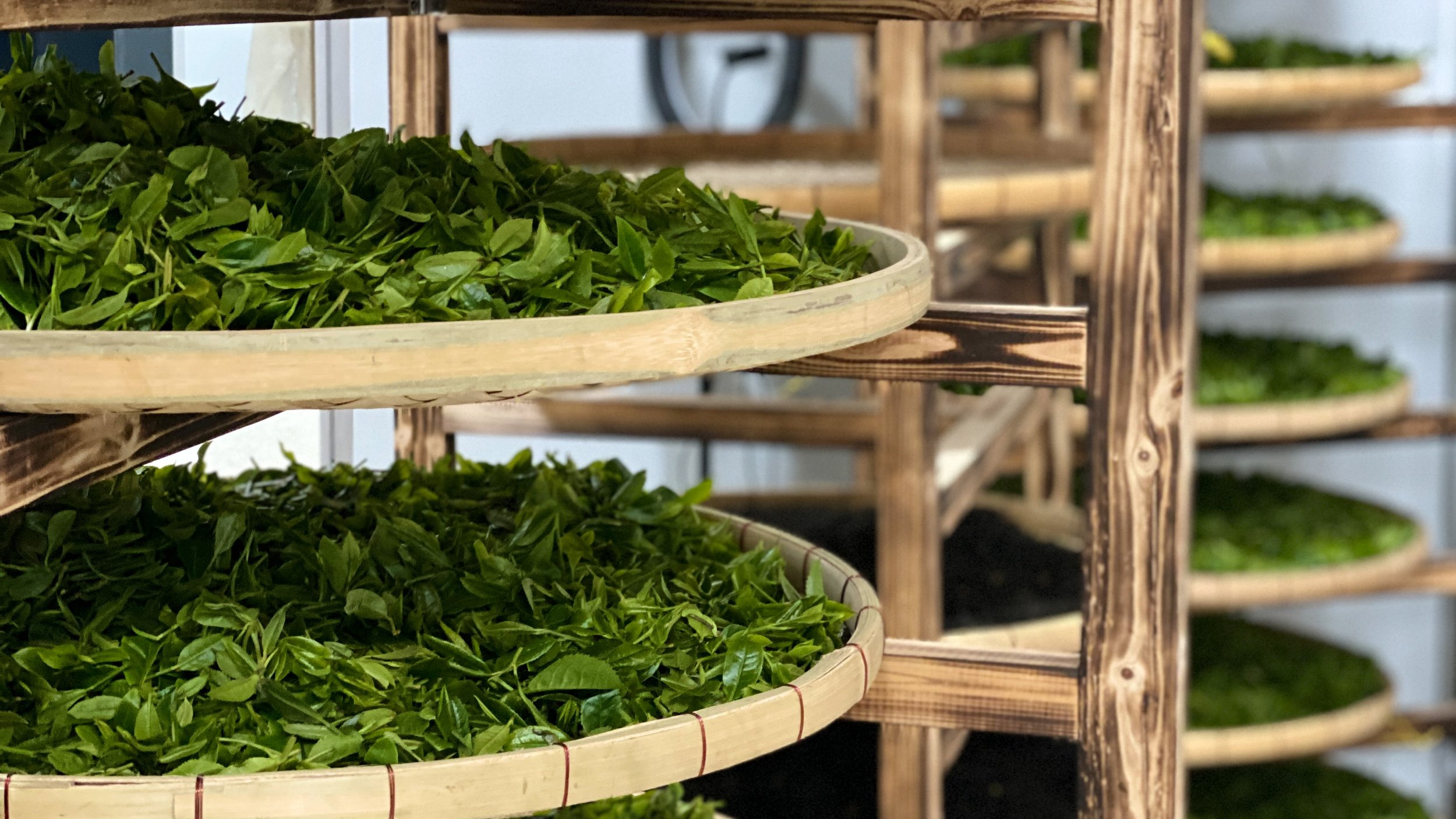
Unique Environment & Handcrafted Processing
Recommended Gongfu Brewing Method
For a 120 mL (4 fl oz) teapot or gaiwan, use 6 g (0.21 oz) of tea.
For the first infusion, steep the tea for 18 seconds in water at a temperature above 95°C (203°F).
Steep the tea for 12 seconds for the second and third infusion.
For each subsequent infusion, increase the steeping time.
This tea is good for 8 or more infusions.
Use spring water or purified water. Do not use tap water.
-
Liubao tea originates from Liubao Town in Wuzhou, Guangxi, and belongs to the category of Chinese dark teas. Today, Liubao tea is generally produced in two styles: traditional-process Liubao and modern-process Liubao. While both share the same origin, they differ significantly in processing methods and in how their flavors develop over time.
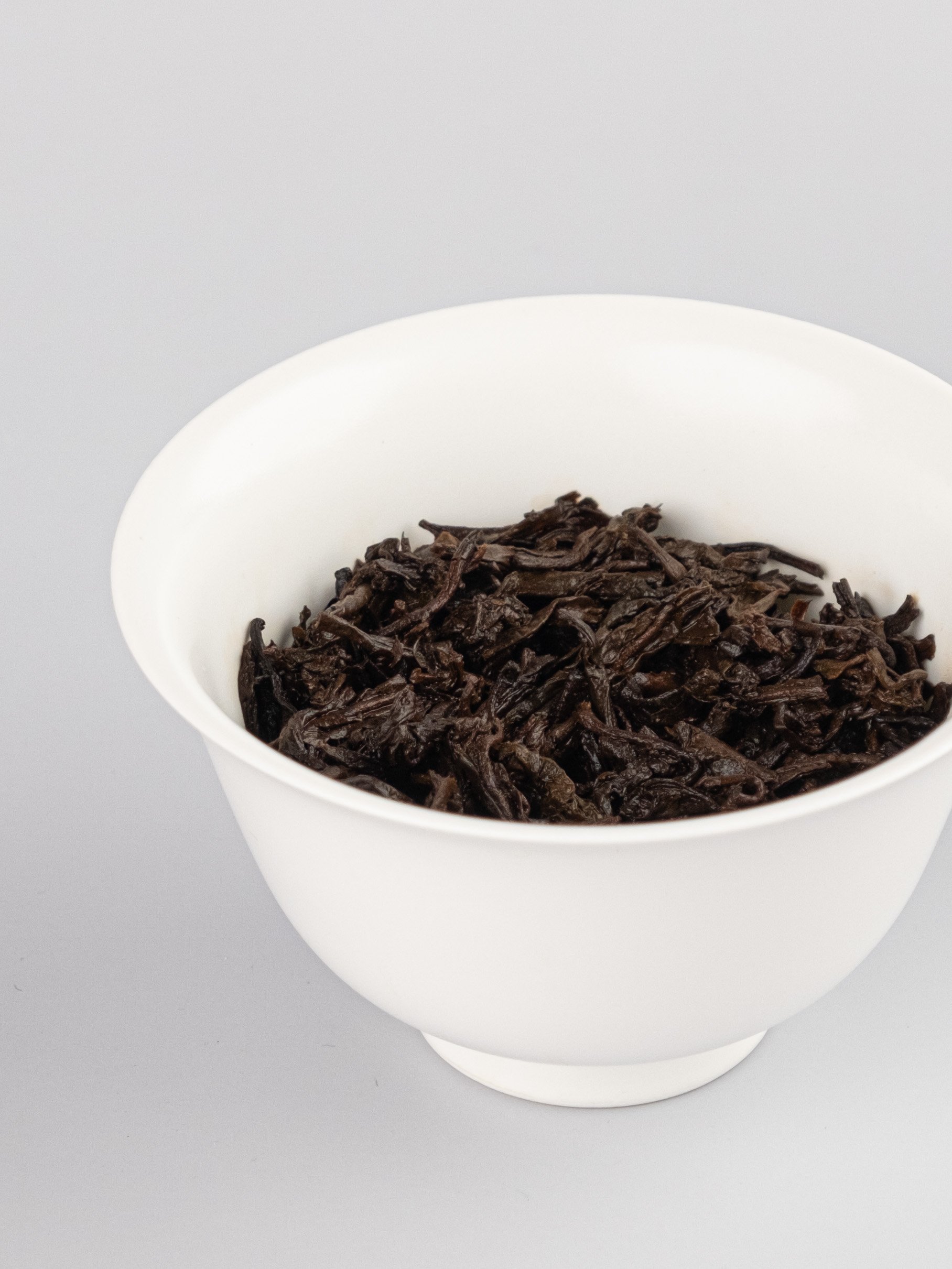
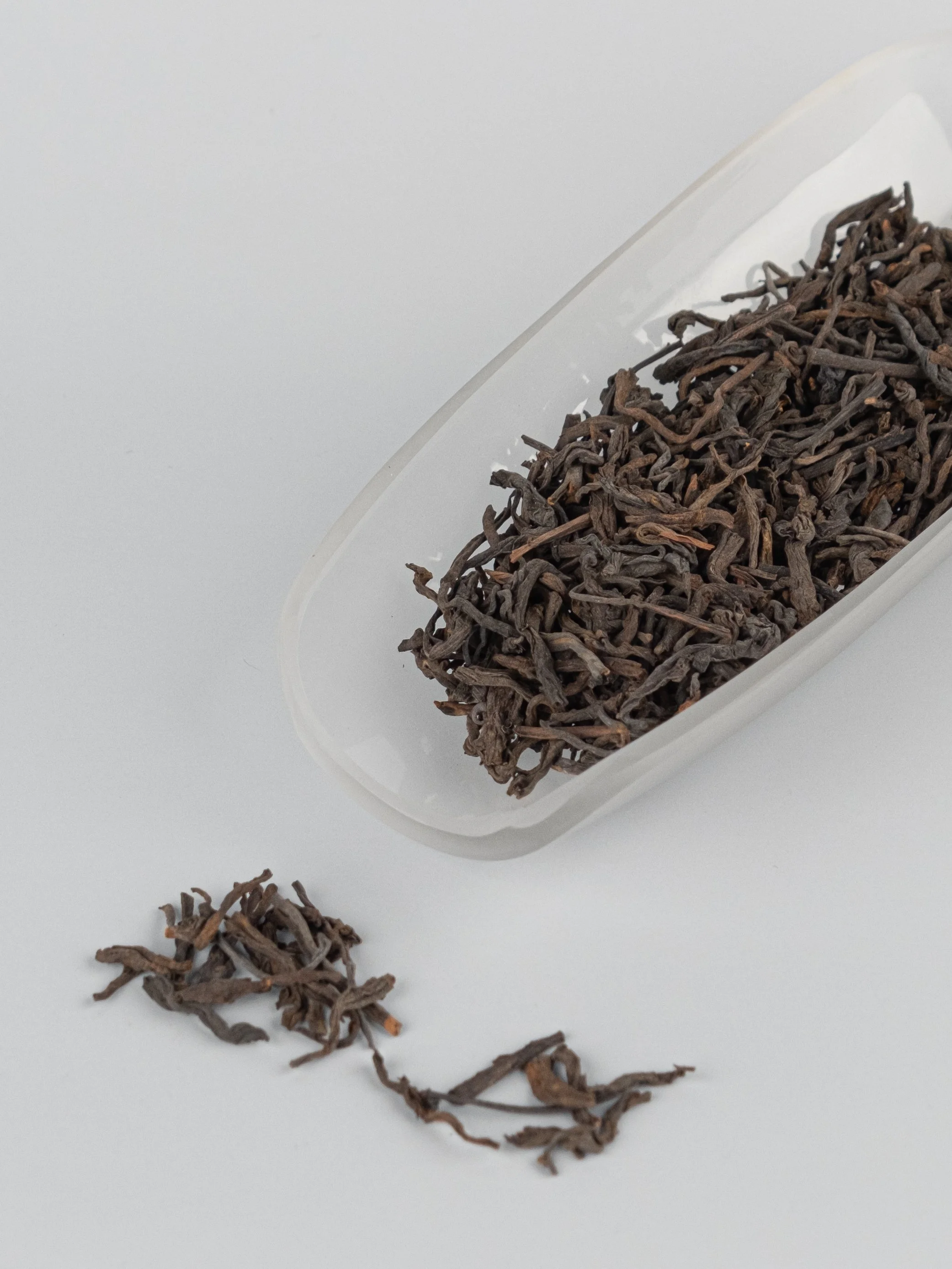
Traditional-process Liubao is made through repeated pan-firing and rolling, followed by a period of controlled piling transformation (men dui) and drying. Unlike modern pile-fermented teas, this transformation is moderate and helps preserve the tea’s aging potential. When young, the liquor is typically bright yellow and expressive, often showing honeyed floral aromas, fresh sweetness, and layered complexity. With long-term storage, traditional Liubao continues to evolve, developing deeper notes of aged wood, medicinal herbs, and betel nut, reflecting its strong capacity for natural aging.
Modern-process Liubao follows the same initial steps as traditional Liubao but adds an additional stage of intensive controlled pile fermentation (wo dui). This extended fermentation results in a darker liquor, a softer texture, and a more immediately mellow profile. These teas commonly display earthy, aged, and betel nut notes, and are crafted to be gentle and approachable at a younger stage, while continuing to develop with further aging.
In some ways, the distinction between traditional-process and modern-process Liubao is similar to that between raw (sheng) and ripe (shou) Pu’er—reflecting different approaches to fermentation and aging—though the two are not directly equivalent.
-
Our 2023 Traditional Liubao is sourced from the high-altitude tea gardens of Buyi Village, a central production area in Liubao Town. Harvested in early March before the Chunshe land-honoring ceremony, this year's leaves benefited from exceptional weather. The prolonged dry conditions led to delayed sprouting, allowing the leaves to accumulate a rich spectrum of compounds that contributed to tea’s remarkable flavors.
To honor these superior raw leaves, the tea is expertly crafted using traditional methods, maximizing its intrinsic terroir.
-
The brew of this Traditional Liubao is infused with a nectar-like aroma, complemented by hints of prune. It greets the palate with a fresh sweetness, glides over the tongue with a smooth texture, and leaves a refreshing, saliva-inducing aftertaste. This Liubao not only merits careful tasting as a young tea but also inspires our anticipation for the deeper flavors that aging will unveil.